
Top Geogrid Manufacturer Shandong Dageng Strengthens Its Geosynthetic Solutions
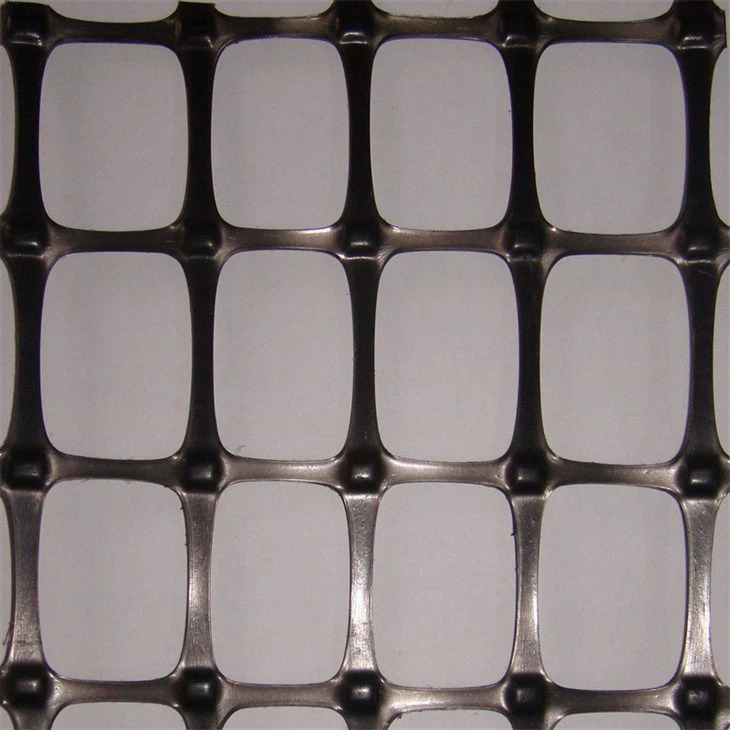
PP/HDPE Plastic Geogrid For Base Reinforcement and Stabilization
TAIAN, SHANDONG, CHINA, October 14, 2026 /EINPresswire.com/ --
Shandong Dageng Project Material Co., Ltd. is a manufacturer of geosynthetic and civil engineering materials serving infrastructure projects that require soil reinforcement, drainage, filtration, and erosion control. With a product portfolio spanning geogrids, geotextiles, geomembranes, geocells, and related materials, the company addresses a range of construction challenges involving roads, embankments, slopes, and water-management systems. Its established focus on earthwork composite materials positions Shandong Dageng as a supplier for contractors, distributors, and engineering buyers seeking coordinated solutions for ground improvement and infrastructure development.
As infrastructure projects become more complex, geosynthetic materials have taken on an increasingly important role in improving the performance of soil-based structures. These engineered products can help distribute loads, control soil movement, manage water, and protect vulnerable surfaces. Shandong Dageng’s portfolio reflects this broad demand, with products designed for different functions within civil engineering projects. Its geogrid range remains central to the company’s offering, complemented by materials such as Geotextile and Geocell that can provide additional functions when specified as part of an integrated design.
Geogrid Manufacturing for Infrastructure Applications
Geogrids are polymeric or composite reinforcement products with an open-grid structure. Their principal role is to interact with surrounding soil, aggregate, or other construction materials, helping improve stability and distribute loads across a wider area. Depending on the product type and engineering design, geogrids may be used in road bases, railway formations, retaining structures, embankments, and other applications where ground reinforcement is required.
Shandong Dageng Project Material Co., Ltd. offers several geogrid categories, including fiberglass geogrid, polyester geogrid, polypropylene geogrid, high-density polyethylene geogrid, steel-plastic geogrid, and composite geogrid. These product types are intended for different engineering conditions, and their suitability depends on factors such as tensile strength, deformation characteristics, soil conditions, installation requirements, and the loads expected during service.
Fiberglass and polyester geogrids are commonly considered in pavement reinforcement and rehabilitation projects. They can be incorporated into road structures to help manage tensile stresses and reduce the development or propagation of cracks when selected and installed according to the project design. Polypropylene and other plastic geogrids are used in selected soil stabilization and aggregate reinforcement applications, while steel-plastic products may be specified for projects requiring particular reinforcement characteristics.
For infrastructure owners, the selection of a suitable geogrid is not simply a matter of choosing a material category. Engineers must consider the structure being built, the properties of the surrounding materials, drainage conditions, installation methods, and applicable technical standards. By maintaining a portfolio of different geogrid types, Shandong Dageng provides buyers with options to evaluate against project specifications rather than relying on a single material for every application.
Geotextile for Separation, Filtration, and Drainage
Alongside geogrids, Geotextile is an important part of Shandong Dageng’s product offering. Geotextiles are permeable textile materials used in contact with soil and other construction materials. Their functions may include separation, filtration, drainage, protection, and reinforcement, depending on the product structure and the way it is incorporated into a project.
The company lists woven and nonwoven geotextiles among its products. These materials differ in construction and performance characteristics, making product selection dependent on the requirements of the intended application. Woven geotextiles are often evaluated where tensile performance and separation are important. Nonwoven geotextiles are widely used in filtration, drainage, and protection applications, where water needs to pass through the material while soil particles are retained to an appropriate degree.
In road construction, geotextiles may be placed between a subgrade and an aggregate layer to reduce the mixing of dissimilar materials. Maintaining separation can help preserve the intended structure of the road base, especially where the natural soil is weak or moisture conditions create challenges. In drainage systems, appropriately selected geotextiles can act as filters around drainage aggregates or pipes, helping limit the migration of fine soil particles into the drainage layer.
Geotextiles are also used in landscaping, erosion-control works, water-conservation projects, and selected environmental engineering applications. Their effectiveness depends on matching the material’s filtration characteristics, permeability, strength, and durability to the surrounding soil and anticipated hydraulic conditions. Shandong Dageng’s range gives project teams a starting point for evaluating these options alongside other geosynthetic materials.
Geocell for Soil Confinement and Surface Stability
Another product in the company’s portfolio is Geocell, a three-dimensional cellular confinement system commonly manufactured from polymer materials such as high-density polyethylene. When expanded and filled with soil, sand, gravel, or another specified infill, its interconnected cells create a structure that confines the fill and helps limit lateral movement.
This confinement mechanism makes geocells relevant to applications such as slope protection, embankment stabilization, unpaved roads, access tracks, and erosion-control works. On slopes, geocells can help hold infill in place and reduce its movement under suitable site conditions. For access roads and working platforms, they may help distribute loads and stabilize fill materials, particularly when used as part of a properly designed foundation system.
Shandong Dageng’s product information includes smooth, textured, and perforated HDPE geocell options. Surface characteristics and cell configuration can influence how a product is handled and performs in a given application. Perforations may allow interaction between adjacent cells and facilitate water movement within the system, depending on the design and installation. The appropriate configuration should be chosen according to the slope angle, infill type, drainage requirements, expected loads, and environmental conditions.
Geocell should not be viewed as a universal replacement for conventional earthworks or engineered retaining structures. Instead, it is a specialized system whose performance depends on site preparation, anchoring, connection details, infill quality, and installation practices. By offering geocell alongside geogrids and geotextiles, Shandong Dageng can support buyers considering complementary methods for reinforcement, confinement, and surface protection.
A Broader Portfolio of Geosynthetic Materials
Infrastructure projects often require several material functions within the same site. A road project, for example, may require reinforcement in the base layer, separation between soil and aggregate, and drainage provisions to manage water. A slope or embankment project may combine reinforcement with erosion protection and a suitable drainage arrangement. Coordinating these functions is important because the performance of one material can be affected by the design and installation of adjacent layers.
Shandong Dageng Project Material Co., Ltd. also lists geomembranes, geocomposites, drainage boards, drainage nets and pipes, gabions, and gabion mattresses within its broader product range. Geomembranes are commonly used as low-permeability barriers in containment and lining systems. Geocomposites combine two or more materials to provide functions such as reinforcement, filtration, drainage, or protection. Drainage products are used to guide water away from structures or manage subsurface flows, while gabions and mattresses are wire-based units filled with stone and used in selected retaining, channel-protection, and erosion-control works.
The availability of these product categories provides project buyers with a wider selection of materials to consider when preparing procurement plans. However, material compatibility and technical suitability still need to be assessed for each project. Designers and contractors should confirm product specifications, installation procedures, and relevant compliance documentation before incorporating materials into a final design.
Production Capabilities and Quality Considerations
According to the company’s published information, Shandong Dageng operates 22 geogrid production lines and reports annual geogrid production capacity of 90 million square meters. The company also identifies German Karl Mayer machinery and other textile production equipment among its manufacturing resources. These facilities support its focus on geosynthetic products and earthwork composite materials.
Shandong Dageng states that it holds ISO 9001 and CE certifications for many of its products. For international procurement, certification and quality documentation can help buyers assess whether a product is suitable for a particular market or project specification. Requirements vary by product category and jurisdiction, so purchasers should verify the exact certificates, declared performance characteristics, and applicable standards for the material being ordered.
Technical evaluation should extend beyond a product’s general description. Depending on the application, buyers may need information about tensile strength, elongation, puncture resistance, permeability, polymer composition, dimensional tolerances, durability, and installation recommendations. Geogrids and geotextiles may be specified according to different test methods, while geocell systems may require details concerning cell dimensions, seam strength, polymer properties, and connection performance.
Consistent production, traceable product information, and clear communication between supplier and project team can help reduce procurement uncertainty. For contractors working to a defined construction schedule, delivery planning and packaging requirements are also practical considerations. Shandong Dageng’s product range and reported manufacturing capacity offer a basis for discussions with buyers seeking materials for projects of varying scale, subject to confirmation of the quantities, technical specifications, and delivery terms required.
Supporting Road, Water, and Ground Engineering Projects
The potential applications of geosynthetics extend across transportation, water conservation, environmental protection, mining, and general civil construction. In road and highway works, geogrids may help reinforce selected pavement or aggregate layers, while geotextiles can provide separation and filtration. In slope and embankment projects, geocells may confine infill and help protect exposed surfaces. In drainage and containment projects, geocomposites, drainage products, and geomembranes can perform complementary functions.
These materials are most effective when their roles are clearly defined within the engineering design. Soil type, rainfall, groundwater, traffic loading, slope geometry, construction equipment, and long-term maintenance expectations can all affect material selection. Installation quality is equally important: poorly prepared subgrades, incorrect overlaps, inadequate anchoring, or unsuitable infill can undermine the intended performance of a geosynthetic system.
For this reason, buyers evaluating Shandong Dageng’s products should provide project details as early as possible. Relevant information may include drawings, required dimensions, design loads, local standards, environmental exposure, and the intended installation method. With these details, procurement teams can work with technical personnel to identify product types and request the documentation necessary for engineering review.
Outlook for Shandong Dageng
Demand for reliable infrastructure materials continues to place emphasis on ground stability, effective water management, and long-term asset performance. Geosynthetics offer engineers a range of options for addressing these requirements, but their value depends on careful design and correct implementation. Manufacturers with a portfolio spanning reinforcement, filtration, drainage, confinement, and containment can be useful partners for projects that require several related material categories.
Shandong Dageng Project Material Co., Ltd. has developed a broad offering around geogrids and complementary geosynthetic materials. Its combination of geogrid manufacturing, Geotextile products, Geocell systems, and related drainage and containment products allows buyers to evaluate multiple options through one supplier. For infrastructure contractors, distributors, and engineering procurement teams, the next step is to compare product specifications with project requirements and confirm technical documentation, quality standards, and delivery arrangements before placing an order.
About Shandong Dageng Project Material Co., Ltd.
Shandong Dageng Project Material Co., Ltd., also known as Shandong Dageng Fiberglass Co., Ltd. in some company materials, is a manufacturer specializing in geosynthetics and earthwork composite materials. Founded in 2004 according to the company’s website at www.fiberglass-geogrid.com, it is located in Feicheng, Tai’an, Shandong, China.
Its product portfolio includes fiberglass geogrid, polyester geogrid, polypropylene geogrid, HDPE geogrid, steel-plastic geogrid, composite geogrid, woven geotextile, nonwoven geotextile, geomembrane, geocell, geocomposite, drainage boards and nets, drainage pipes, gabions, and gabion mattresses. These products serve applications in road and highway construction, soil reinforcement, drainage, erosion control, water conservation, and other civil engineering projects.
The company reports operating 22 geogrid production lines and states that ISO 9001 and CE certifications cover many of its products. Buyers can visit www.fiberglass-geogrid.com to review its product range and contact the company to discuss technical requirements, specifications, and supply arrangements for infrastructure and geotechnical projects.
Address: High-Tech Development Zone, Feicheng, Taian, Shandong, China
Official Website: https://www.fiberglass-geogrid.com/
Nicky Li
Shandong Dageng Project Material Co., Ltd.
sales8@geosynthetic.cn
Legal Disclaimer:
EIN Presswire provides this news content "as is" without warranty of any kind. We do not accept any responsibility or liability for the accuracy, content, images, videos, licenses, completeness, legality, or reliability of the information contained in this article. If you have any complaints or copyright issues related to this article, kindly contact the author above.
