

Rising Construction Activity Creating Short-Term Housing Gaps in Secondary Markets
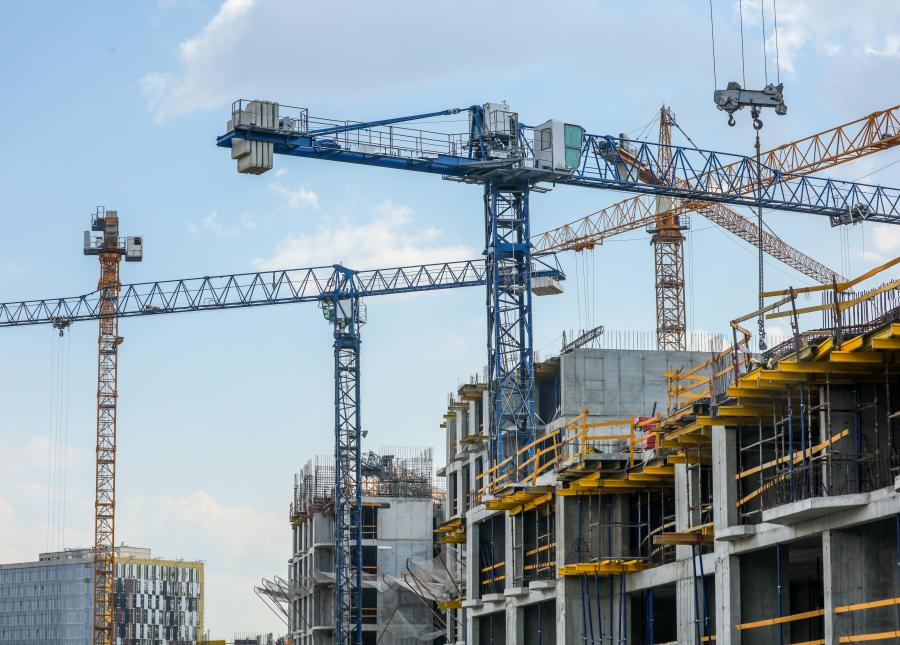
Large-scale construction projects are increasing demand for workforce housing nationwide.
Developers and contractors face growing challenges accommodating workforce needs in emerging project locations
NEW ORLEANS, LA, UNITED STATES, March 27, 2026 /EINPresswire.com/ -- FOR IMMEDIATE RELEASE
Rising Construction Activity Creating Short-Term Housing Gaps in Secondary Markets
Developers and contractors face growing challenges accommodating workforce needs in emerging project locations
Bay St. Louis, Mississippi — As construction activity continues to rise across the United States, a growing number of secondary and rural markets are experiencing increased demand for temporary workforce housing. From data centers and manufacturing facilities to energy infrastructure and logistics hubs, these developments are bringing hundreds of workers into areas that often lack sufficient lodging options.
While major metropolitan areas typically offer a range of hotels and rental housing, many of today’s large construction projects are intentionally located outside city centers where land, utilities, and infrastructure are more readily available. These locations, however, may not be equipped to support the sudden influx of skilled labor required during multi-phase construction timelines.
As a result, developers and project planners are increasingly evaluating alternative housing strategies to accommodate electricians, engineers, contractors, and specialized crews who may remain on-site for extended periods. In many cases, traditional lodging options are either limited in supply or located significant distances from job sites, creating logistical and operational challenges.
“Workforce housing is becoming a critical component of project planning, particularly in areas where existing accommodations were never designed to support large-scale development,” said an industry representative. “As construction activity continues to expand, the need for flexible and scalable housing solutions is gaining more attention.”
The issue is particularly noticeable in secondary markets, where rapid project growth can quickly outpace local housing availability. Communities that benefit from economic development may simultaneously face short-term strain on lodging, transportation, and local resources as workforces arrive.
In response, project stakeholders are exploring a range of temporary housing approaches designed to align with construction timelines and workforce needs. These strategies aim to provide practical, efficient accommodations while maintaining proximity to job sites and minimizing disruption to surrounding communities.
As infrastructure investment and private development projects continue nationwide, workforce housing considerations are expected to remain an important part of the broader conversation. The ability to efficiently house project teams may play a key role in keeping construction timelines on track and supporting continued economic growth in emerging markets.
Gary Bourgeois
Factory Direct Tiny Homes, LLC
factorydirecttinyhomes@gmail.com
Legal Disclaimer:
EIN Presswire provides this news content "as is" without warranty of any kind. We do not accept any responsibility or liability for the accuracy, content, images, videos, licenses, completeness, legality, or reliability of the information contained in this article. If you have any complaints or copyright issues related to this article, kindly contact the author above.
